
Editorial test publication: prepared with AI assistance for Arab:US. The linked test profile is not a real reporter.
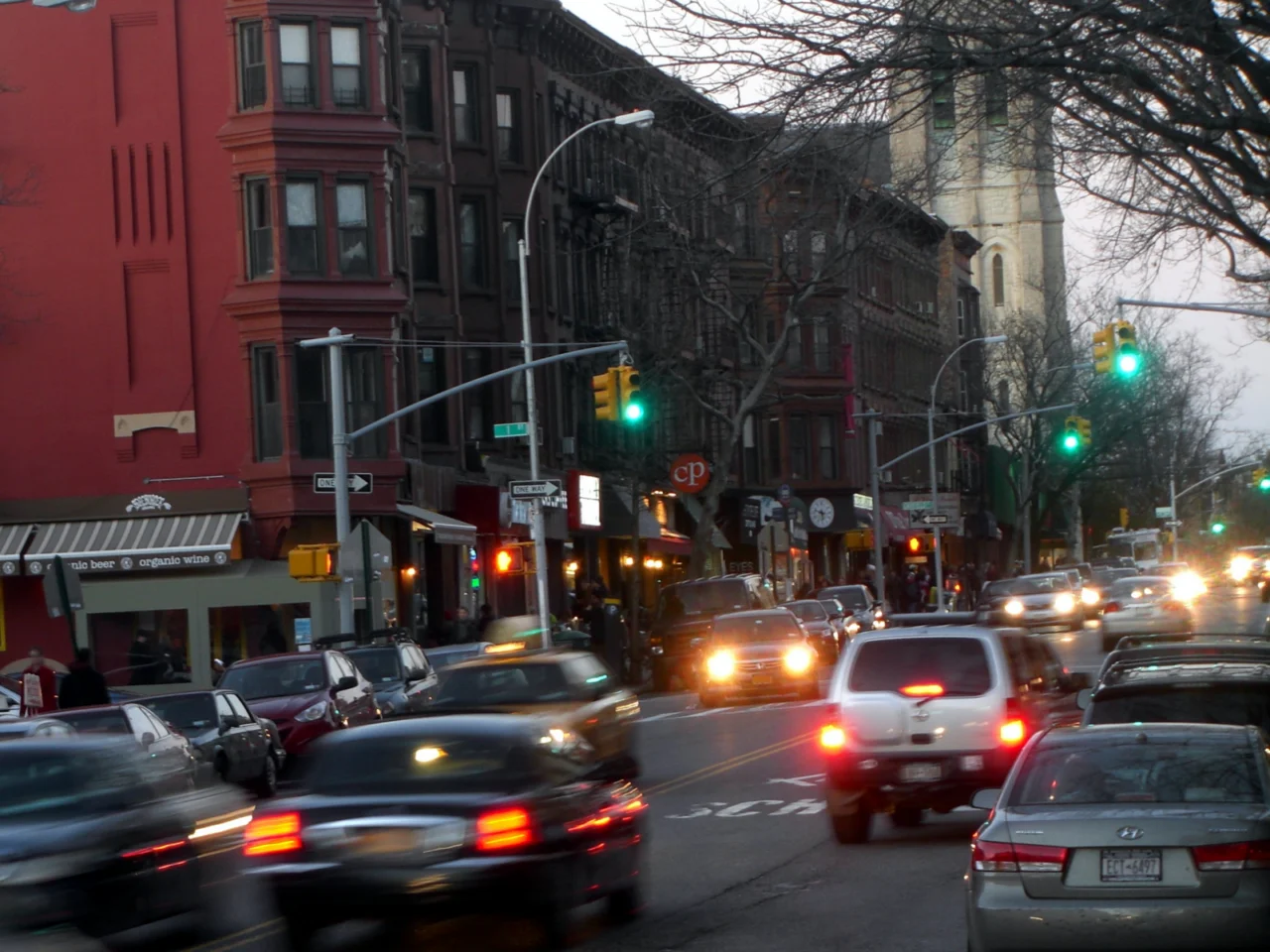
Archival/context photograph: Seventh Avenue at First Street in Park Slope, Brooklyn, in 2012; neighborhood context, not the performer or venue. Jared Kofsky/PlaceNJ.com — Photo source · CC BY-SA 3.0. No new edits. Archival/context photograph.

In the late nineteenth century, immigrants from the Arab world established a community in lower Manhattan known as Little Syria. The Arab American National Museum's historical exhibition describes shops, restaurants, coffeehouses and institutions that supported neighborhood life.
The exhibition also records the neighborhood's loss to major redevelopment. That history invites a broader question: how do we remember a community when its familiar streetscape disappears? A list of famous residents is useful, but it cannot carry the whole story.
Street addresses, shop advertisements and family photographs offer different entry points. Read together, they can help a researcher distinguish a place of work from a place of worship or a gathering space. Each connection still needs evidence; a similar surname is not proof of a relationship.
For a family history project, begin with one documented address and one dated source. A carefully explained small discovery is more valuable than an impressive neighborhood story assembled from guesses. The accompanying modern New York photograph provides context, not a view of historic Little Syria.
Source and further reading: Arab American National Museum: Little Syria