
Editorial test publication: prepared with AI assistance for Arab:US. The linked test profile is not a real reporter.
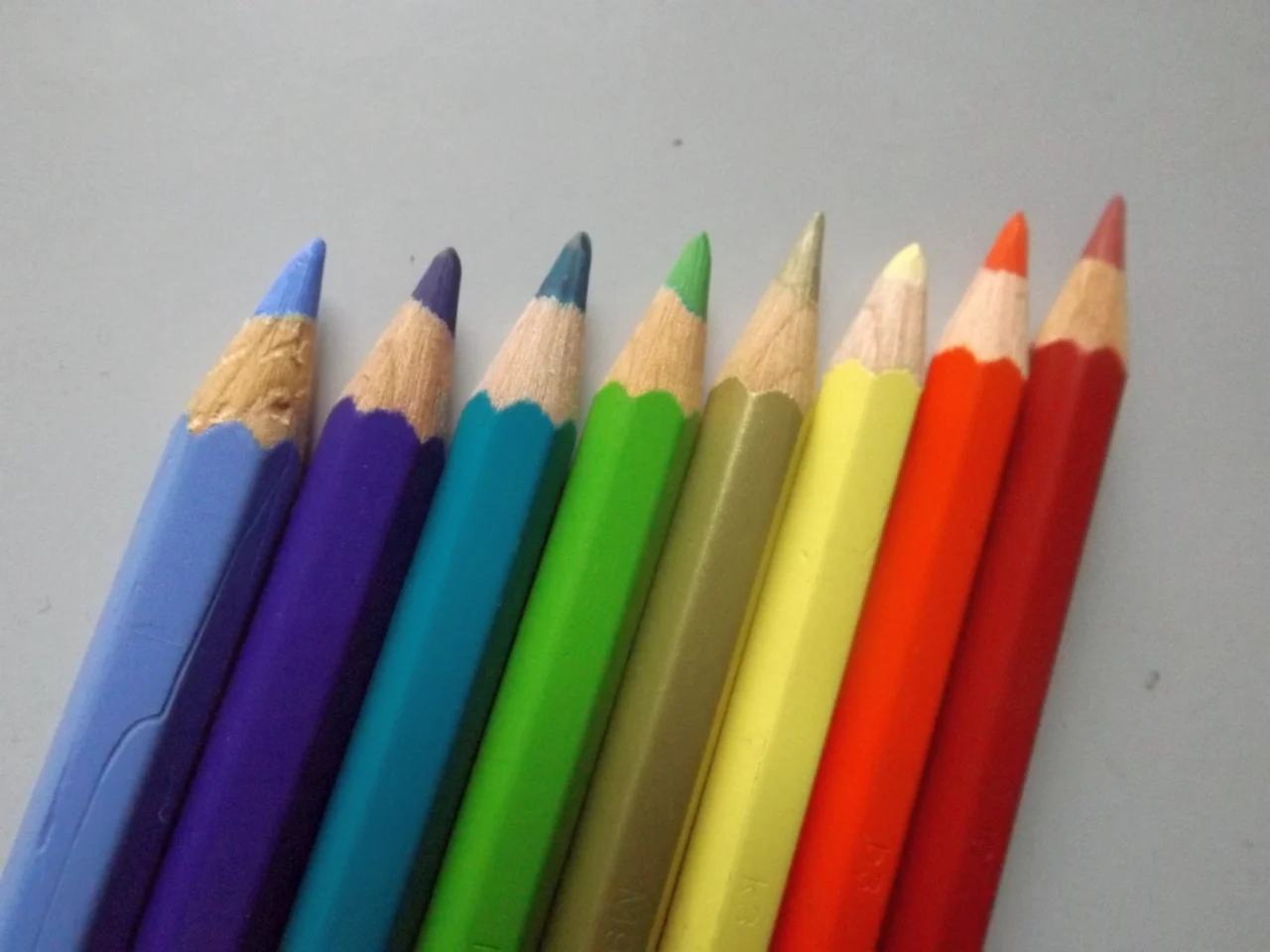
Archival/context photograph: A set of watercolor pencils; drawing activity context, not materials photographed at the event. Shiftchange — Photo source · CC0 1.0. No new edits. Archival/context photograph.

UNESCO added Arabic calligraphy to its Representative List of the Intangible Cultural Heritage of Humanity in 2021. The recognition concerns knowledge, skills and practices, directing attention to the people and learning behind the finished work.
That distinction matters when a community plans a calligraphy activity. A display of beautiful lettering can attract attention, but a demonstration can also explain decisions: how the writer approaches a letter, chooses a tool or notices an unsuccessful attempt. The process deserves room beside the result.
For a beginner, an effective first question is what a teacher wants the student to observe. Copying a shape without understanding the instruction may produce a recognizable image without much insight into the practice.
Families can make a modest record of learning by saving a first attempt and a later one with dates and notes. Such a comparison documents practice rather than ranking talent. Cultural continuity can be visible in a lesson, a correction and the patience to try again.
Source and further reading: UNESCO: Arabic calligraphy heritage inscription