
Editorial test publication: prepared with AI assistance for Arab:US. The linked test profile is not a real reporter.
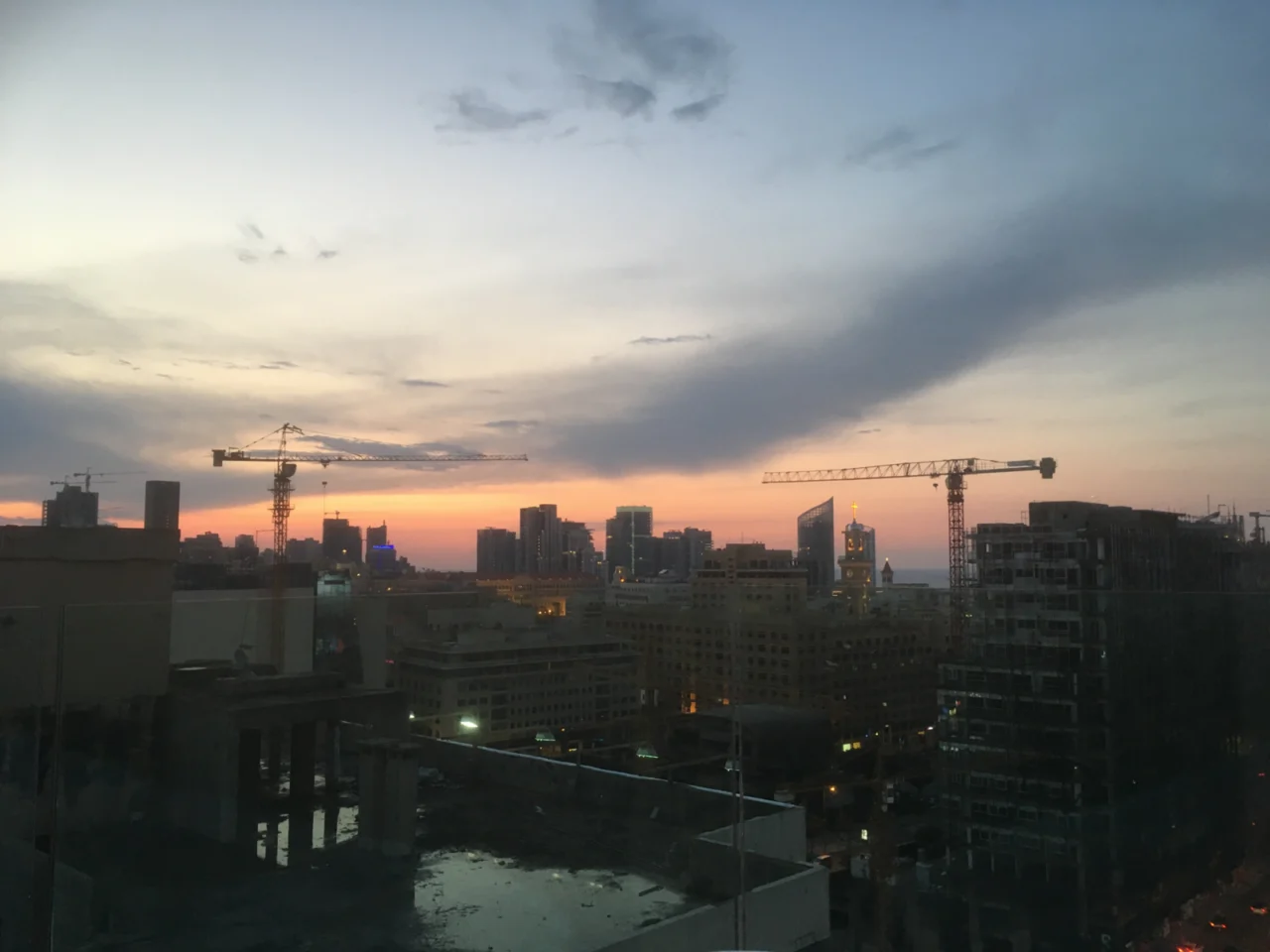
Archival/context photograph: Beirut skyline in 2019; Lebanon context, not the Denver benefit venue. Laura C Ellis — Photo source · CC BY-SA 4.0. No new edits. Archival/context photograph.

World Arabic Language Day is observed on December 18. UNESCO connects the occasion with linguistic and cultural diversity, offering a public moment to discuss Arabic beyond a classroom exercise or a ceremonial greeting.
For an Arab American household, the date can serve as a prompt rather than a deadline. Ask family members which words they associate with home, work or childhood. Their answers may differ because their experiences differ; that variation is worth recording without turning the conversation into an examination.
A simple bilingual activity is to choose one object and write two short descriptions of it. Compare what each version explains, assumes or leaves unsaid. If a phrase resists a direct translation, add a note instead of forcing a perfect match.
The purpose is participation. A fluent speaker, a learner and someone who understands more than they speak can all contribute. A language celebration becomes more useful when it creates room for those different relationships with Arabic to be heard.
Source and further reading: UNESCO: World Arabic Language Day