
Editorial test publication: prepared with AI assistance for Arab:US. The linked test profile is not a real reporter.
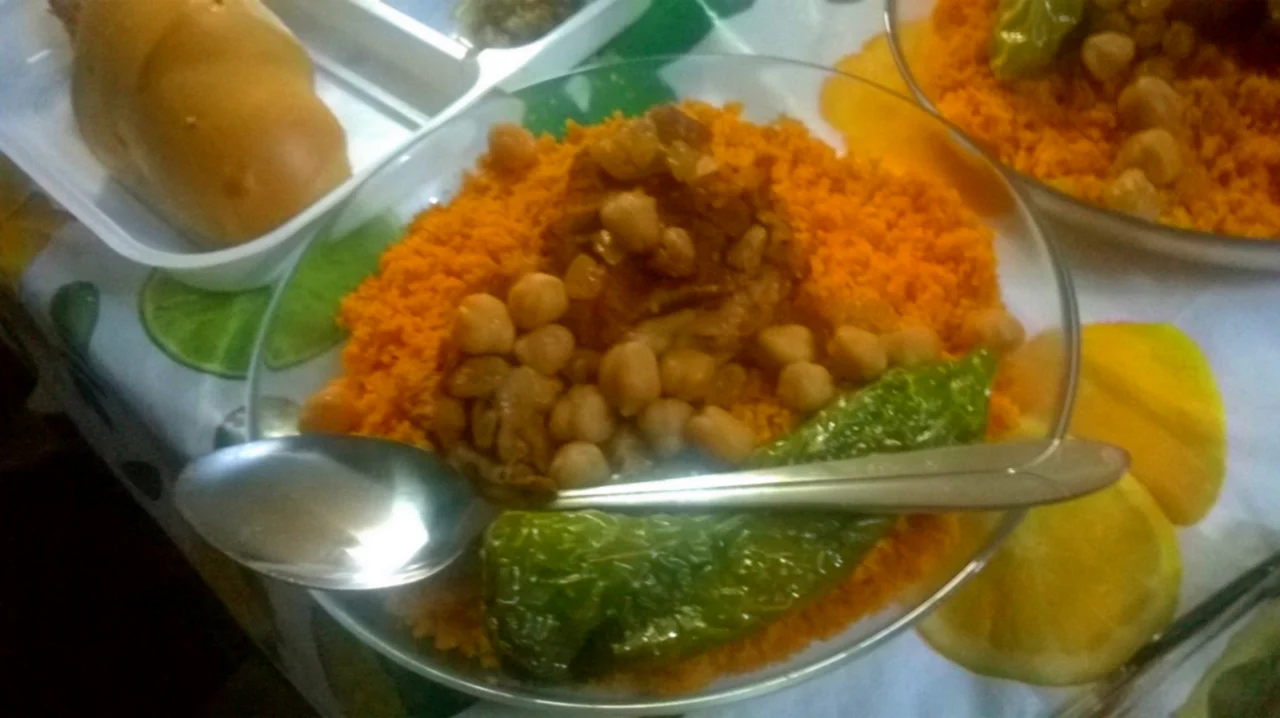
Couscous in Tunisia (2016-07-23). Archival photograph. Sami Mlouhi — Wikimedia Commons · CC BY-SA 4.0. No new edits.

The UNESCO inscription of couscous traditions followed a joint nomination by Algeria, Mauritania, Morocco and Tunisia. Its emphasis on knowledge and practice offers an alternative to arguing that a familiar dish must belong to only one national story.
For a community food feature, the useful question is how a particular cook learned their version. Ask about preparation, the occasion and the people involved. Attribute the account carefully: one person's household method can be valuable without standing in for an entire country.
If several families contribute, present their accounts side by side. Differences in vocabulary or serving habits need not be edited out to make the article appear consistent. They may be the most interesting part of the conversation.
Shared heritage is easier to understand when the writing identifies both connection and variation. A good food story makes room for a cook's own words and explains where the information came from.
Source and further reading: UNESCO: couscous traditions and cultural cooperation