
Editorial test publication: prepared with AI assistance for Arab:US. The linked test profile is not a real reporter.
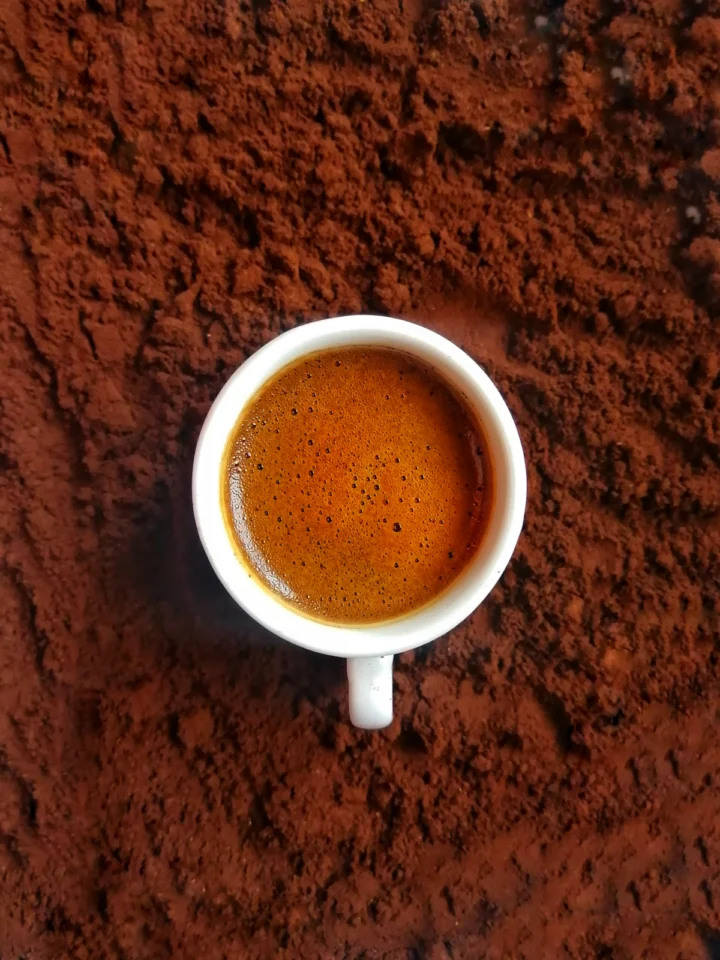
Arabic coffee in a cup (2020-06-02). Archival photograph. Jana Humeedat — Wikimedia Commons · CC BY-SA 4.0. No new edits.

UNESCO presents Arabic coffee as a symbol of generosity. The heritage description invites attention to hospitality and social practice, rather than treating the drink solely as a recipe or a product.
For a community writer, that is a useful change of focus. Instead of declaring one household's routine the correct version, ask a host to explain what the welcome means in that setting. Record who taught the practice and which details the host considers important. A personal explanation should remain attributed to that person.
The same approach can improve a family gathering across languages. Someone unfamiliar with a custom may appreciate a brief explanation and the freedom to ask questions. Hospitality does not need to become a performance in which guests are tested on unwritten rules.
A thoughtful account of coffee therefore leaves space for people as well as ingredients. It describes an encounter, identifies its source and avoids presenting a single family's preferences as a universal instruction for the whole Arab world.
Source and further reading: UNESCO: Arabic coffee, a symbol of generosity