
Editorial test publication: prepared with AI assistance for Arab:US. The linked test profile is not a real reporter.
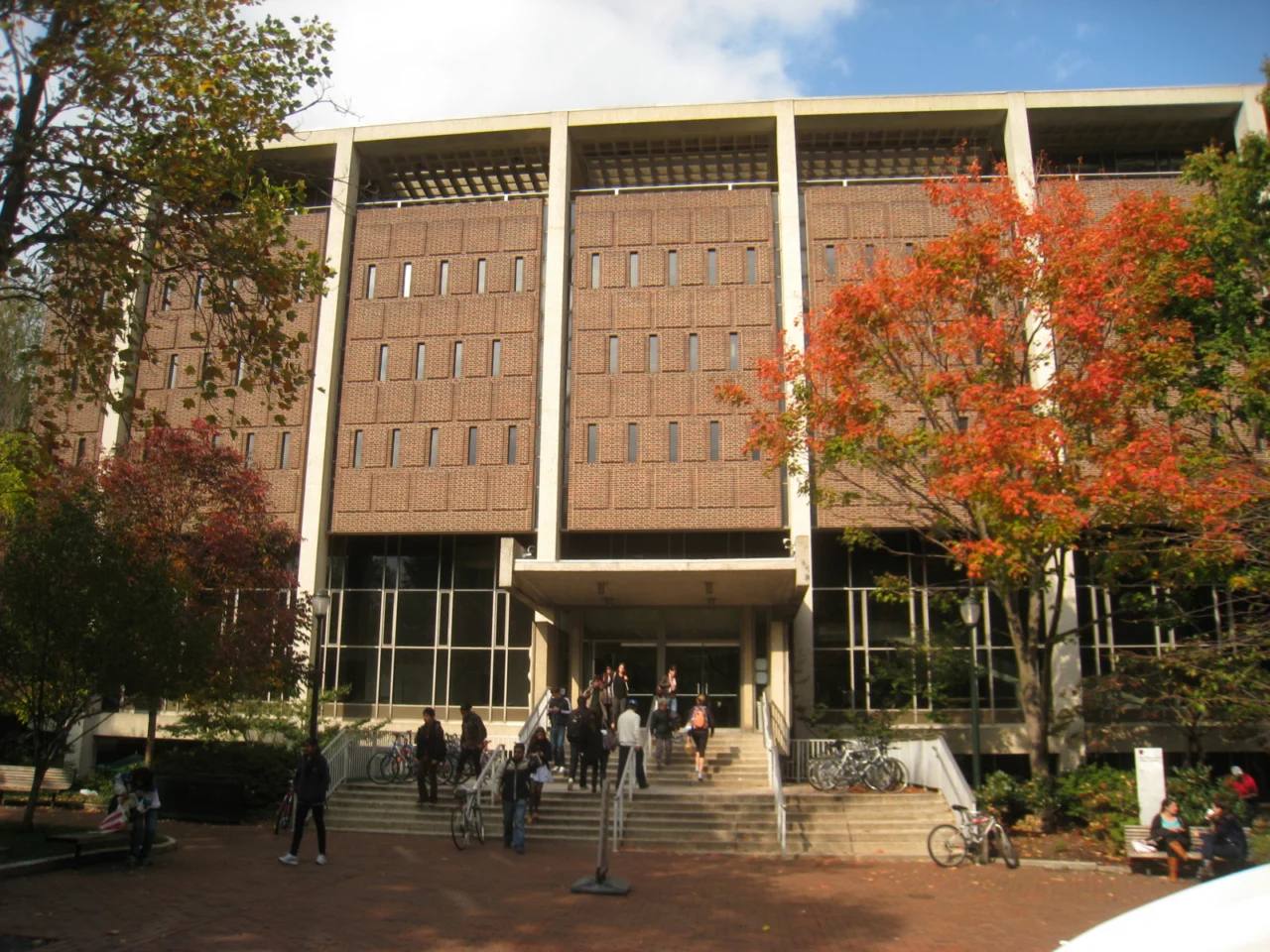
Archival/context photograph: Van Pelt-Dietrich Library Center at Penn. Daderot — Photo source · Public-domain dedication. No new edits. Archival/context photograph.

The Library of Congress guide to diaspora newspapers includes titles published in Arabic as well as papers containing Arabic sections or reflecting Arab community life. That makes it a starting point for tracing conversations across borders and languages.
For a family historian, the most revealing page may not be the front page. Advertisements, cultural notices and community announcements can suggest questions about daily life. They are leads to investigate, not automatic proof that a named person is your relative.
Search with several spellings and keep a record of the newspaper title, issue date and page. When a result appears through a digital search, inspect the page image before quoting it: the image gives the surrounding text that an isolated result may omit.
Treat each issue as a dated perspective. Its claims, silences and intended audience belong to its moment. Reading an old newspaper well means asking who was speaking and to whom, while resisting the temptation to turn one page into a complete picture of a community.
Source and further reading: Library of Congress: Arabic newspapers in the diaspora