
Editorial test publication: prepared with AI assistance for Arab:US. The linked test profile is not a real reporter.
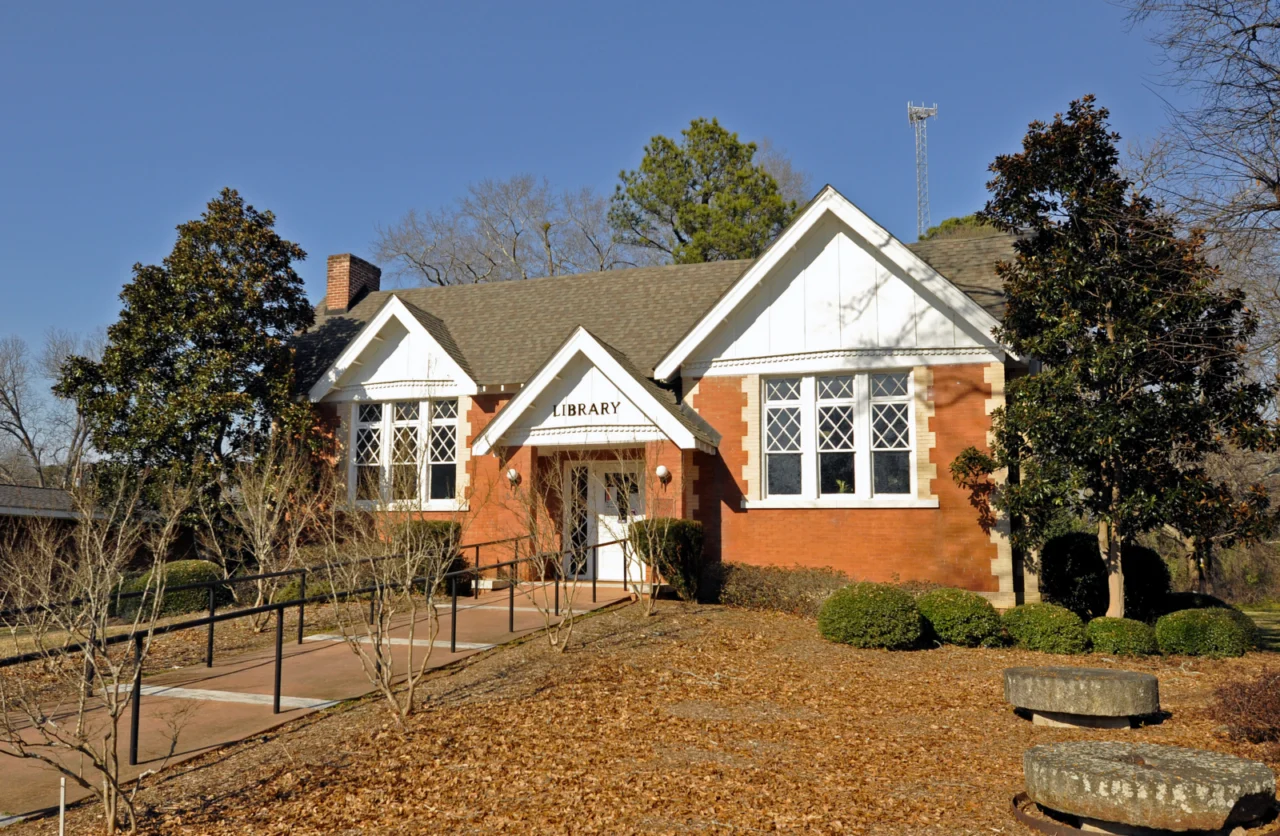
Archival/context photograph: Jennie Erwin Library in Honea Path; town context. P. Hughes — Photo source · CC BY-SA 4.0. No new edits. Archival/context photograph.

The Smithsonian's oral history interviewing guide encourages conversations about present life as well as the past. That is a helpful correction to the assumption that an interview must begin at birth and move through every major milestone.
A focused first conversation can begin with one place or routine. Ask someone to describe a familiar room, a journey or a working day. Follow their explanation with questions about details they choose to mention, rather than rushing to the next item on a long list.
Agree in advance on recording and sharing. Give the speaker an opportunity to pause, decline a question or clarify what should remain private. If the conversation moves between Arabic and English, keep track of words whose meaning needs explanation without interrupting every sentence.
Afterward, write a brief description of the recording and note the date and participants. A modest, clearly documented interview can become a foundation for later conversations. Its success depends less on dramatic revelations than on careful listening and respectful follow-through.
Source and further reading: Smithsonian: the oral history interview