
Editorial test publication: prepared with AI assistance for Arab:US. The linked test profile is not a real reporter.
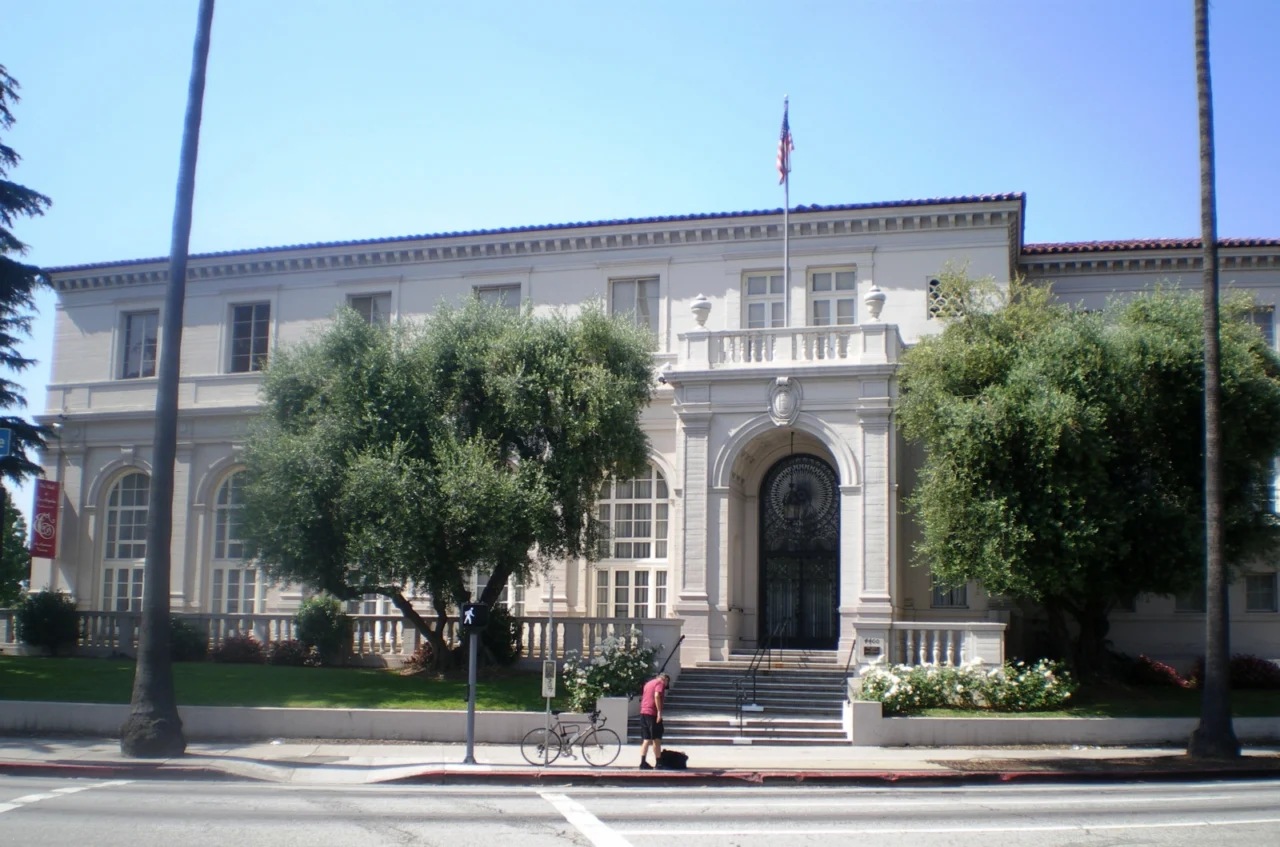
Archival/context photograph: Ebell of Los Angeles exterior; archival venue photograph. Los Angeles — Photo source · CC BY-SA 3.0. No new edits. Archival/context photograph.

The National Park Service provides research tools for the National Register of Historic Places. Its records offer a route into the documented history of buildings, districts, structures and other historic resources.
For a neighborhood writer, an attractive facade is an invitation to investigate, not enough evidence for an origin story. Begin with the address and check whether the name has changed. Compare a dated description with the building as it appears today, and note where a later alteration may complicate the comparison.
Community memory can add questions the official record does not answer. A resident may remember a shop or gathering that deserves further research. Present that recollection as testimony, then look for an advertisement, directory or photograph that helps place it in time.
A strong local history article shows the reader how its conclusions were reached. It can appreciate a beloved place while separating documented details, remembered experiences and unresolved questions. Those distinctions make the story more trustworthy and more useful to whoever investigates next.
Source and further reading: National Park Service: National Register database and research