
Editorial test publication: prepared with AI assistance for Arab:US. The linked test profile is not a real reporter.
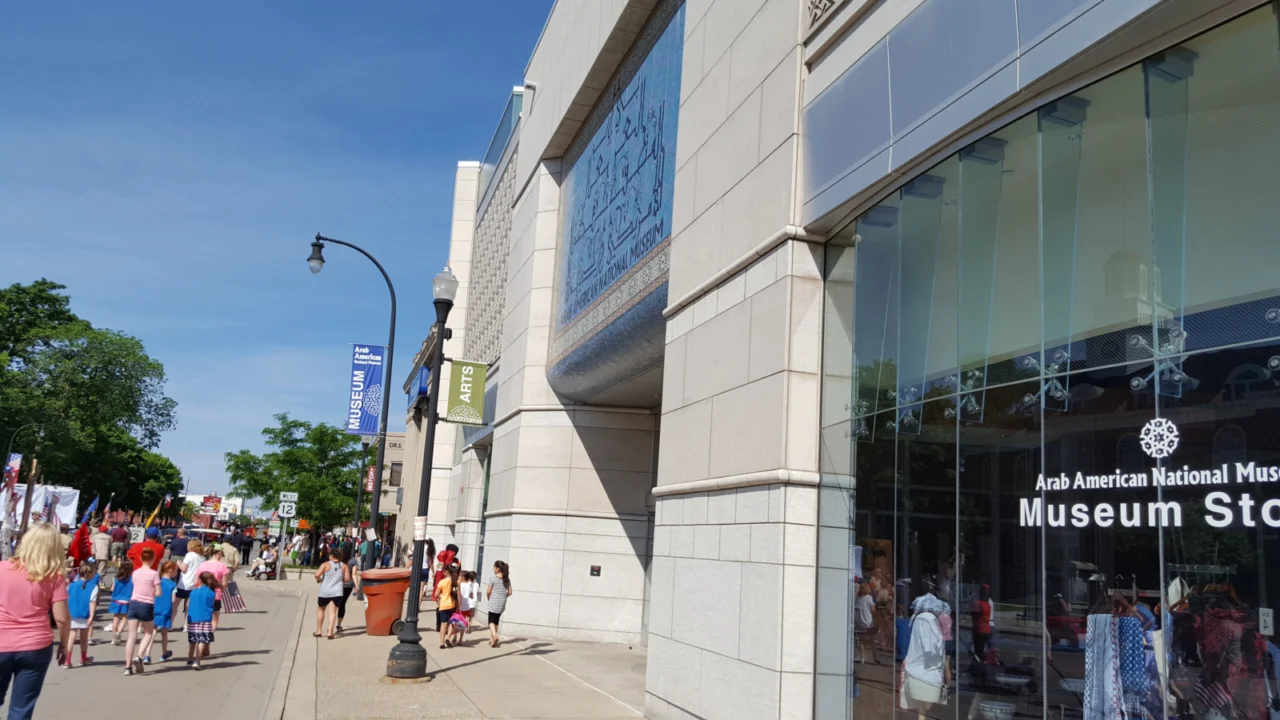
Archival/context photograph: Arab American National Museum in Dearborn in 2016; the gala organizer, not the hotel venue. Rmhermen — Photo source · CC BY-SA 4.0. No new edits. Archival/context photograph.

The Smithsonian's account of Arab American oral histories describes work with the Arab American National Museum to preserve and provide access to recorded interviews. Such collections add a human voice to an archive that might otherwise be encountered mainly through documents.
An interview is not simply a spoken substitute for a timeline. A pause, a change of language or an explanation of a familiar name may reveal how a person understands an experience. Listening can also expose uncertainty that a polished written summary would conceal.
For readers beginning their own research, the useful discipline is to separate recollection from independent confirmation. Keep the speaker's account intact, then add dates or documentary comparisons in accompanying notes. Correcting the recording itself would erase part of the source.
These archives offer an invitation to listen carefully rather than expect a single representative story. One person's memories can deepen our understanding without being made to speak for every Arab American family.
Source and further reading: Smithsonian: Voices from the past