
Editorial test publication: prepared with AI assistance for Arab:US. The linked test profile is not a real reporter.
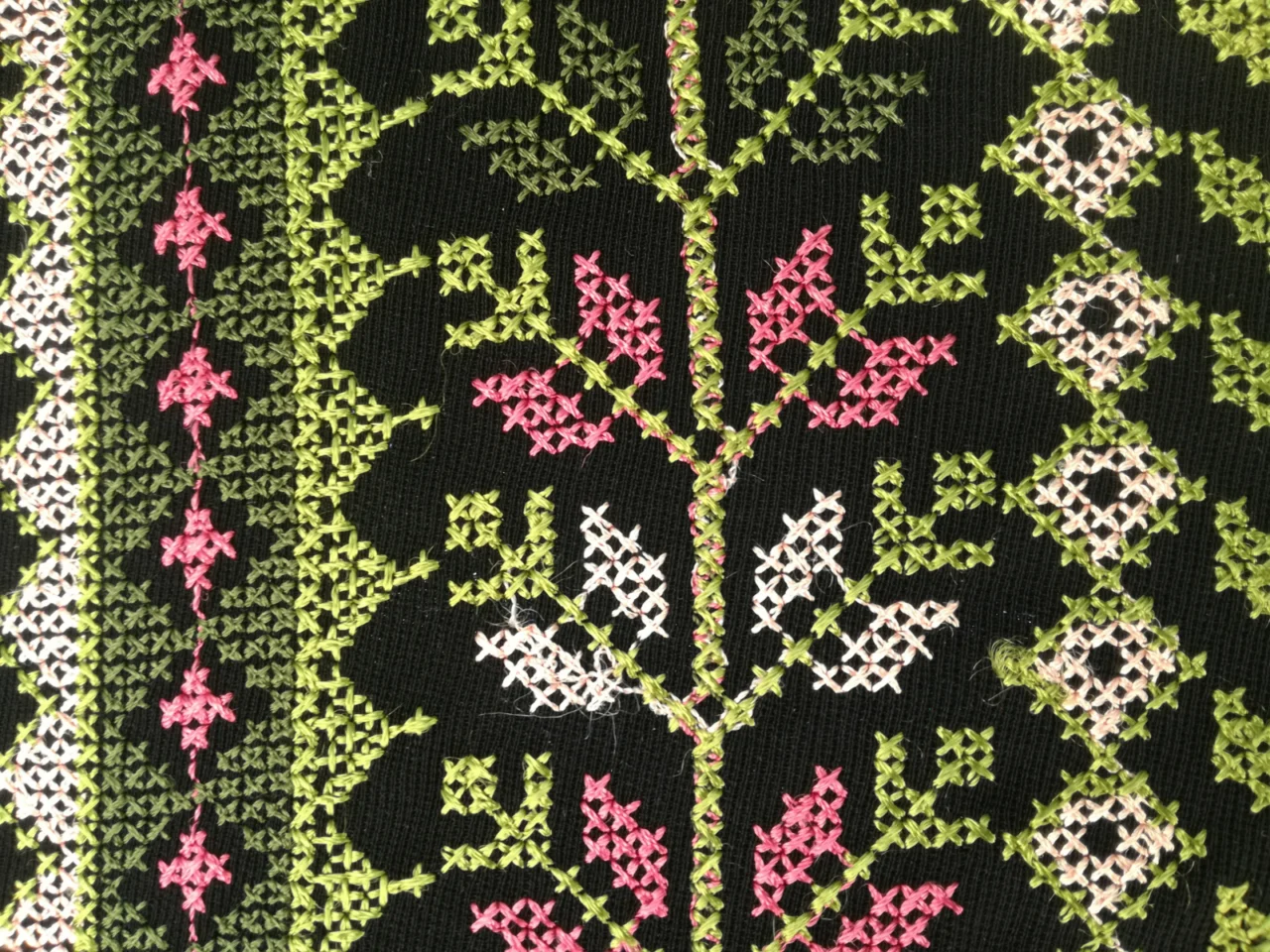
Hand-embroidered cloth in Hebron, Palestine (2020-06-01). Archival photograph. Aseel zm — Wikimedia Commons · CC BY-SA 4.0. No new edits.

UNESCO describes traditional Palestinian embroidery as a social practice passed between generations. That framing asks us to see more than a pattern: the maker, the learning and the circumstances of the work belong in the record too.
When photographing a family textile, begin with what is known. Who made it? Who has cared for it? Is its date documented or estimated? A motif should not be assigned a precise origin solely because it resembles an image found online.
A useful family record can include an overall photograph, a detail image and a short account supplied by the owner. Keep that account separate from later research so the reader can distinguish family testimony from an external identification.
Credit matters when the object is shared publicly. Naming the maker, when known and appropriate, prevents their labor from disappearing behind a generic heritage label. Respecting what remains unknown is equally important. Careful description can honor a tradition without inventing a history for an individual piece.
Source and further reading: UNESCO Ramallah: Palestinian embroidery