
Editorial test publication: prepared with AI assistance for Arab:US. The linked test profile is not a real reporter.
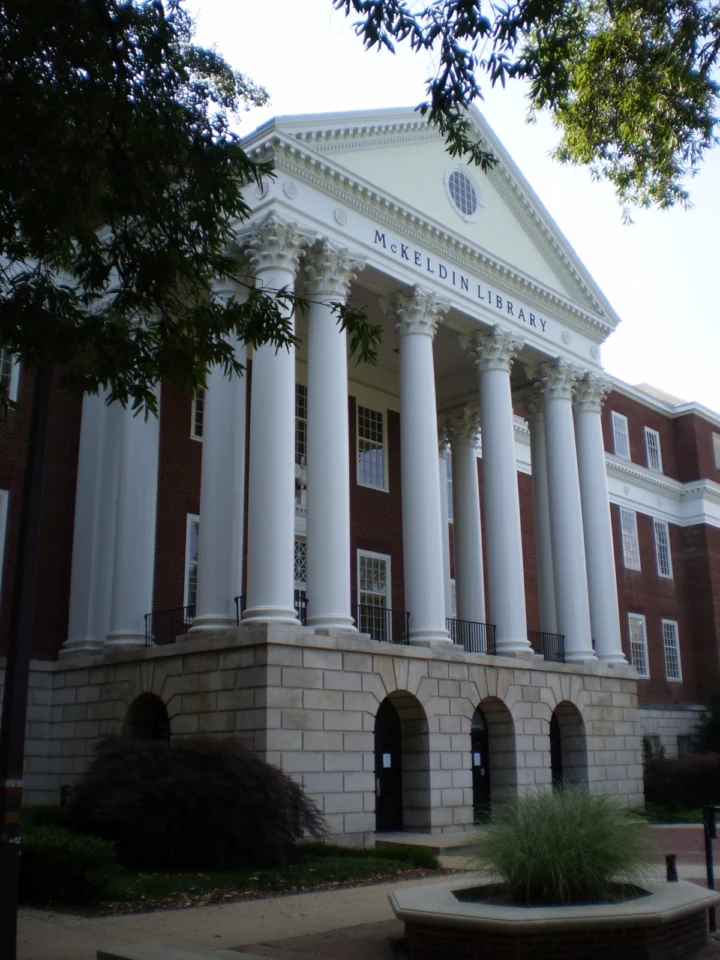
Archival/context photograph: McKeldin Library at the University of Maryland in 2010; host institution context for an online forum. Bgervais — Photo source · CC BY-SA 3.0. No new edits. Archival/context photograph.

UNESCO describes Palestinian Hikaye as a narrative tradition practiced by women. Its account draws attention to storytelling as a social expression, rather than treating a tale only as words that can be lifted out of a gathering.
For families preserving stories across generations, that distinction is useful. A transcript can retain the plot while losing the voice, the timing and the listener's response. Where the storyteller agrees, an audio recording and a written version can complement each other.
Translation introduces another set of choices. A phrase may depend on familiarity with a setting or a way of speaking. An explanatory note can be more honest than replacing it with a smooth sentence that changes the meaning.
Before sharing a recording, ask the storyteller what they want made public and how they wish to be named. A family conversation is not automatically permission for publication. Preserving a story well includes preserving the speaker's choices about its audience.
Source and further reading: UNESCO: Palestinian Hikaye